01
Conversion to gas-fired kilns
In addition to the type of limestone and kiln used, the fuel employed also plays a crucial role in achieving the desired lime qualities. …
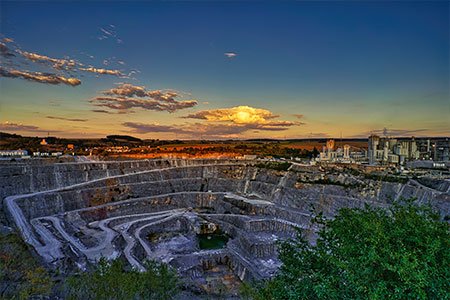
For more then 160 years, we have been a lime producer and supplier with roots in the region, a reliable employer and training company for around 700 employees worldwide, including approx. 40 trainees, and a dependable partner both for our service providers locally and for our customers from all over the world.
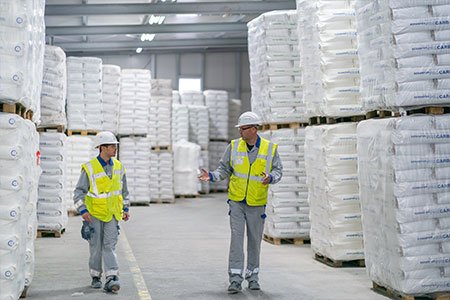
Our product portfolio ranges from limestones to calcium oxide and calcium dihydroxide to ready-to-use milk of lime with high chemical purity and precisely defined physical properties. As a specialist for precipitated calcium carbonates, we offer a range of products that have different properties with defined grain structure.
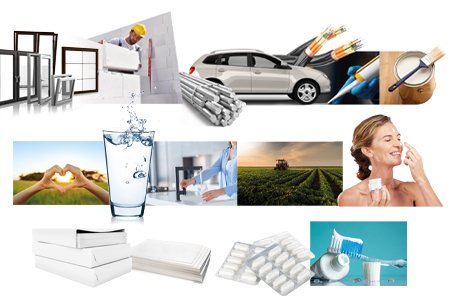
The wide range of applications for our lime and PCC products becomes evident in many areas of daily life. The following is only a small selection of examples.
As a family-owned company with more than 160 years of tradition, our top priority is to safeguard the long-term future of the company. In doing so, we consider meeting the demands of a diverse environment to be of significant importance.
You would like to learn more about our products or have another question? We would be happy to help you by phone or via our contact form.
Scope 1
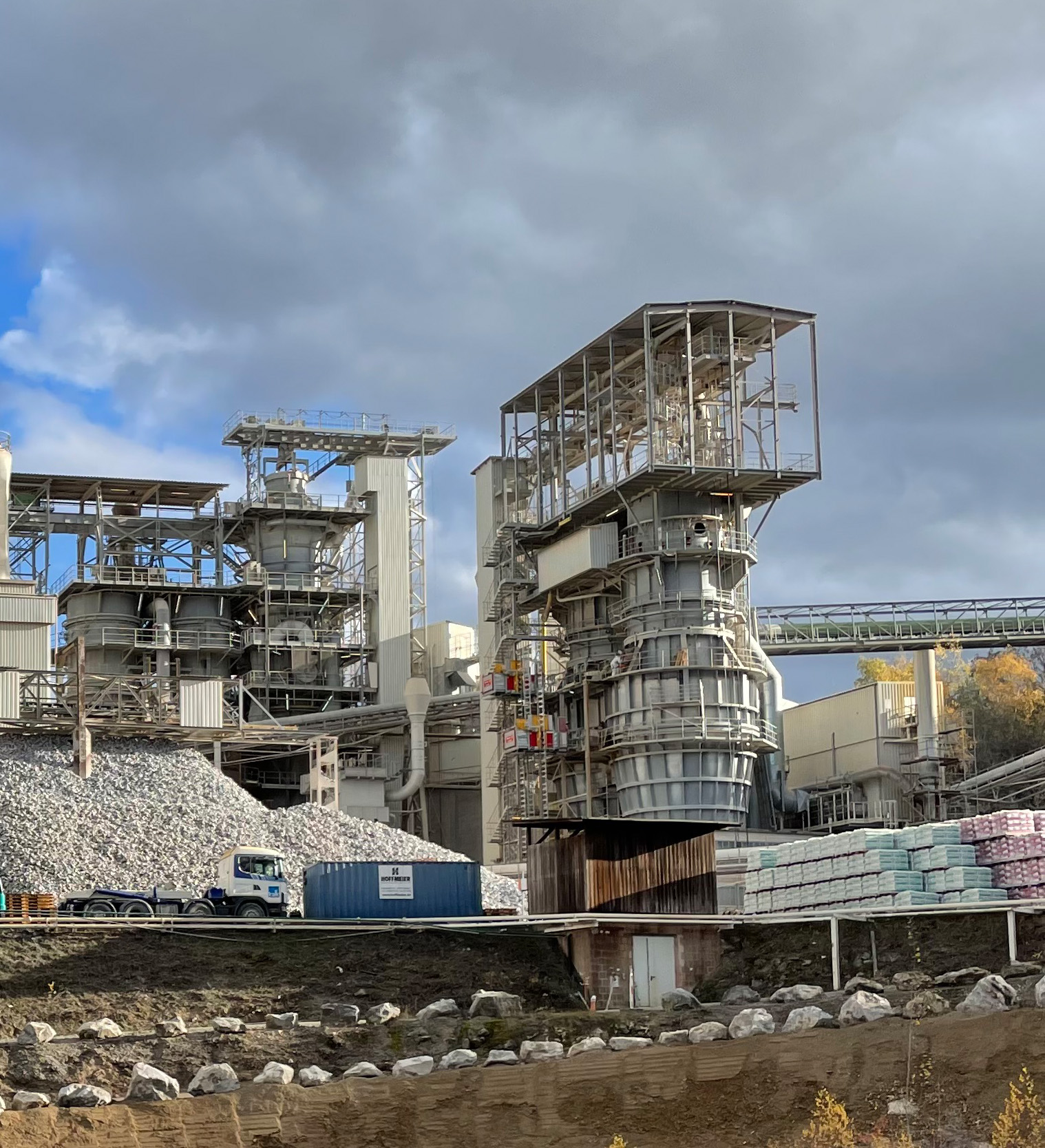
Scope 1 includes the emissions generated during lime and PCC production from the combustion of fossil fuels (gas and lignite dust), as well as the process CO₂ released when converting limestone (CaCO₃) into quicklime (CaO). It also covers fuels used in other production processes.
In 2021, indirect emissions from purchased electricity accounted for approximately 88 % of our total emissions.
We track our CO₂ emissions following the internationally recognised Greenhouse Gas Protocol, using its Scopes framework to categorise our emissions.
Scope 1 emissions are all direct emissions of our company. These include emissions
from sources that we own or directly control, such as fuel use in lime production.
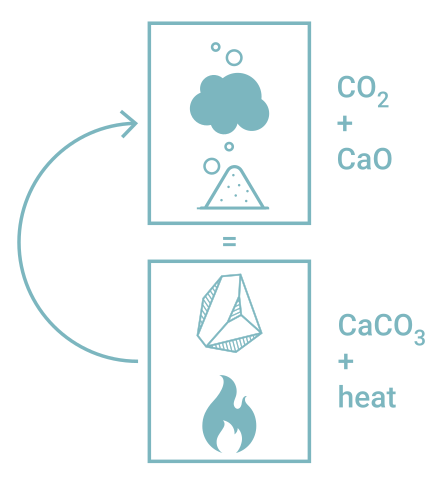
CO₂ is generated both from burning the fuels and from the chemical process during lime calcination, where limestone (CaCO₃) is converted into quicklime (CaO).
Additional emissions arise from fuels used for drying or heating in other processes, as well as from the fuels consumed by our quarry vehicles.
Approximately 30% of our direct emissions come from the combustion of fossil fuels such as natural gas or lignite dust. Since fuel costs make up a significant portion of our
production expenses, we have been working for years to improve our energy efficiency.
In the past, we have invested extensively in modern kilns with a thermal efficiency of around 85%, which currently represent the state of the art.
To further reduce emissions from fuels, a switch to renewable fuels is necessary.
Only a few renewable fuels meet our high requirements for lime quality. High-quality biomass (e.g. wood pellets) is currently the most promising option for selected kiln types and product specifications.
Hydrogen can also be used in principle, although technological development is still
required. Currently, both the necessary infrastructure and sufficient availability of green
hydrogen are lacking. Moreover, hydrogen costs are still significantly higher than those of fossil fuels. Nevertheless, we are closely monitoring these developments and will consider the use of hydrogen as soon as the framework conditions improve.
To save additional energy, we have been utilising the exhaust heat from our lime kilns for decades in our GGR kiln (Direct-Current Counterflow Regenerative Principle). For other kiln types, we are exploring the use of exhaust heat for electricity generation, the establishment of an internal heating network, or for local heating. Requirements for exhaust gas quality and temperature must be coordinated with the needs of the respective application and then technically planned on an individual basis.
During the production of quicklime, CO₂ is released not only from the fuels used but also from the chemical transformation of limestone into quicklime.
These so-called process emissions are chemically inherent and cannot be directly reduced.
About 70% of the direct CO₂ emissions come from this process and are
unavoidable, as they are an integral part of production.
Chemical reaction:
CaCO₃ (limestone) + heat → CaO (quicklime) + CO₂
While fuel-related emissions can be reduced through the use of renewable
alternatives, we need new solutions for process emissions to prevent the
generated CO₂ from being released into the atmosphere.
To capture the CO₂ generated during the production process, several methods are available:
We work closely with universities, research institutes, suppliers, and other
companies to improve and advance these technologies. In doing so, we actively support and participate in specific projects and innovations.
We complement our own CO₂ reduction efforts through joint research projects
coordinated via the European Lime Association (EULA) and the Federal Association of the German Lime Industry (BVK), in pursuit of an industry-wide solution.
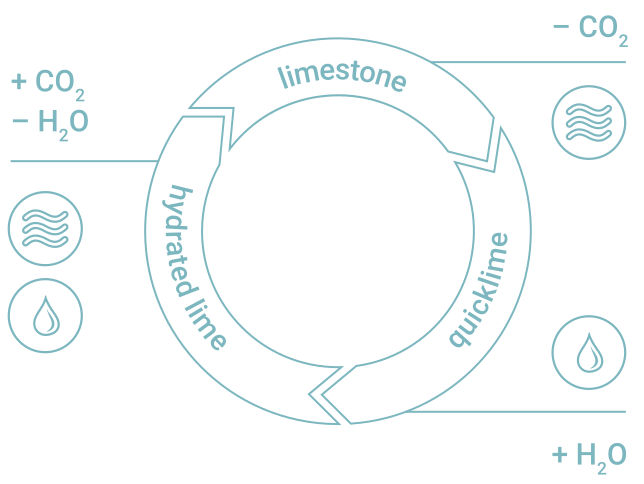
Calcium oxide (CaO) has the ability to absorb CO₂ from the surrounding air
without any external influence – a process known as carbonation.
Quicklime (CaO) is used in various industries as a raw material for numerous value chains and products. Once these products come into contact with CO₂ – whether through direct exposure or from the air – CO₂ binding begins automatically.
After carbonation is complete, the material returns to its original chemical form as calcium carbonate (CaCO₃), i.e., limestone. The speed and extent of this process vary depending on the application.
Studies on the carbonation potential of lime have shown that, on average, around 22% of the CO₂ originally released is permanently reabsorbed within one year. Over time, this rate continues to increase steadily.
01
In addition to the type of limestone and kiln used, the fuel employed also plays a crucial role in achieving the desired lime qualities. …
02
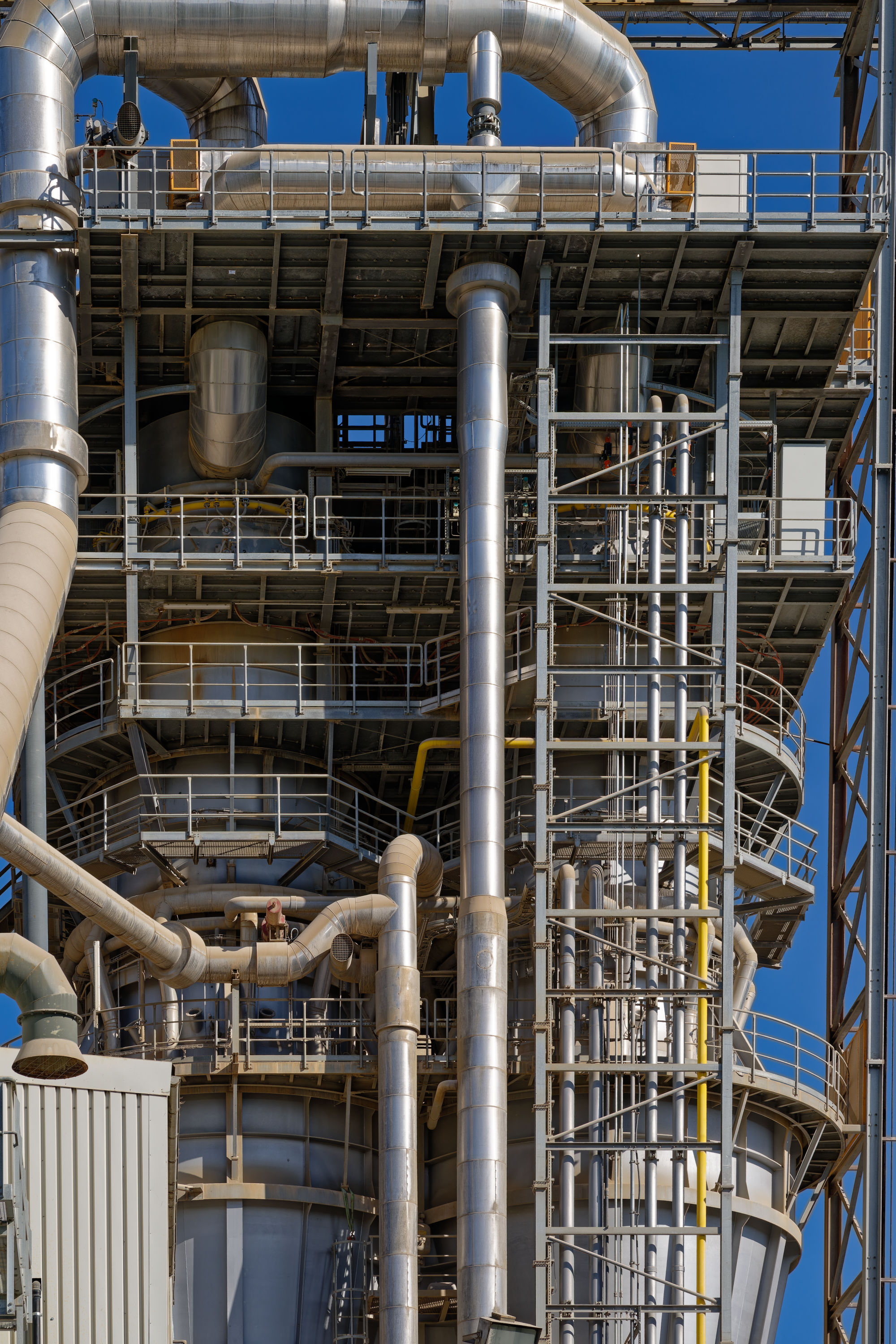
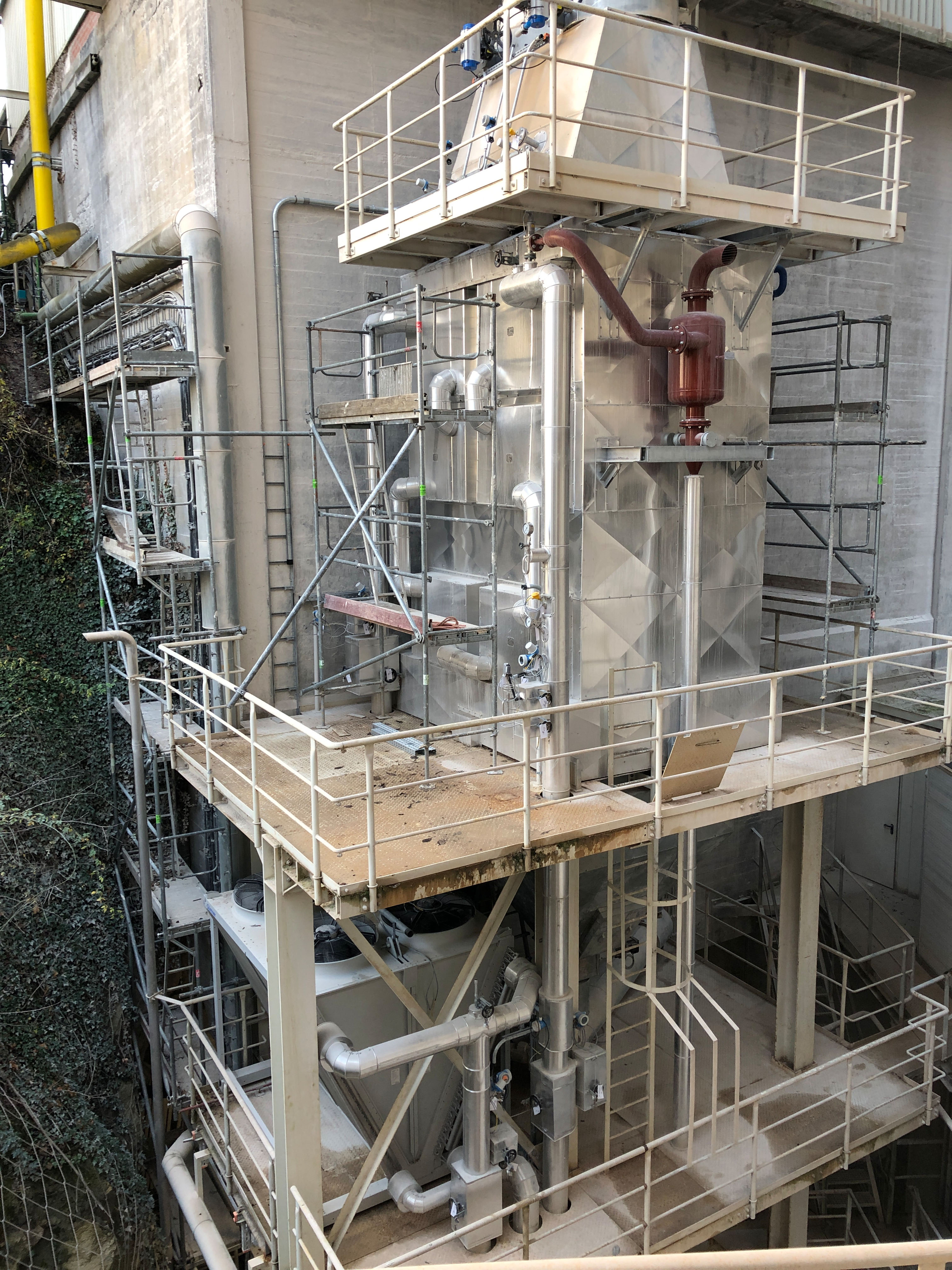
At the Hahnstätten plant, we have equipped the ring shaft kiln with a heat exchanger and …
03
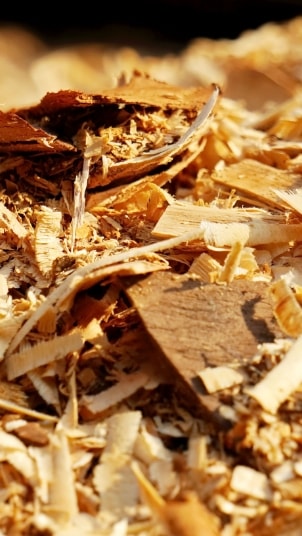
Specifically, we plan to convert one of our kilns at the Steeden plant to use wood dust instead of lignite dust by the end of 2026…
04
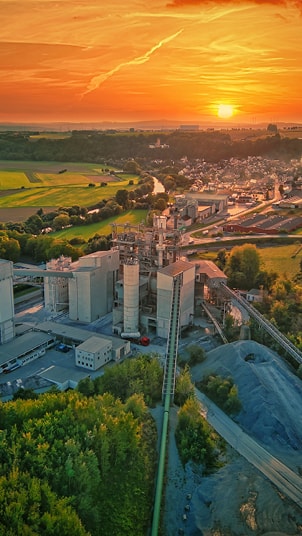
The exhaust heat from our kilns in Steeden is part of the planning by the Dehrn local council to establish a …
05
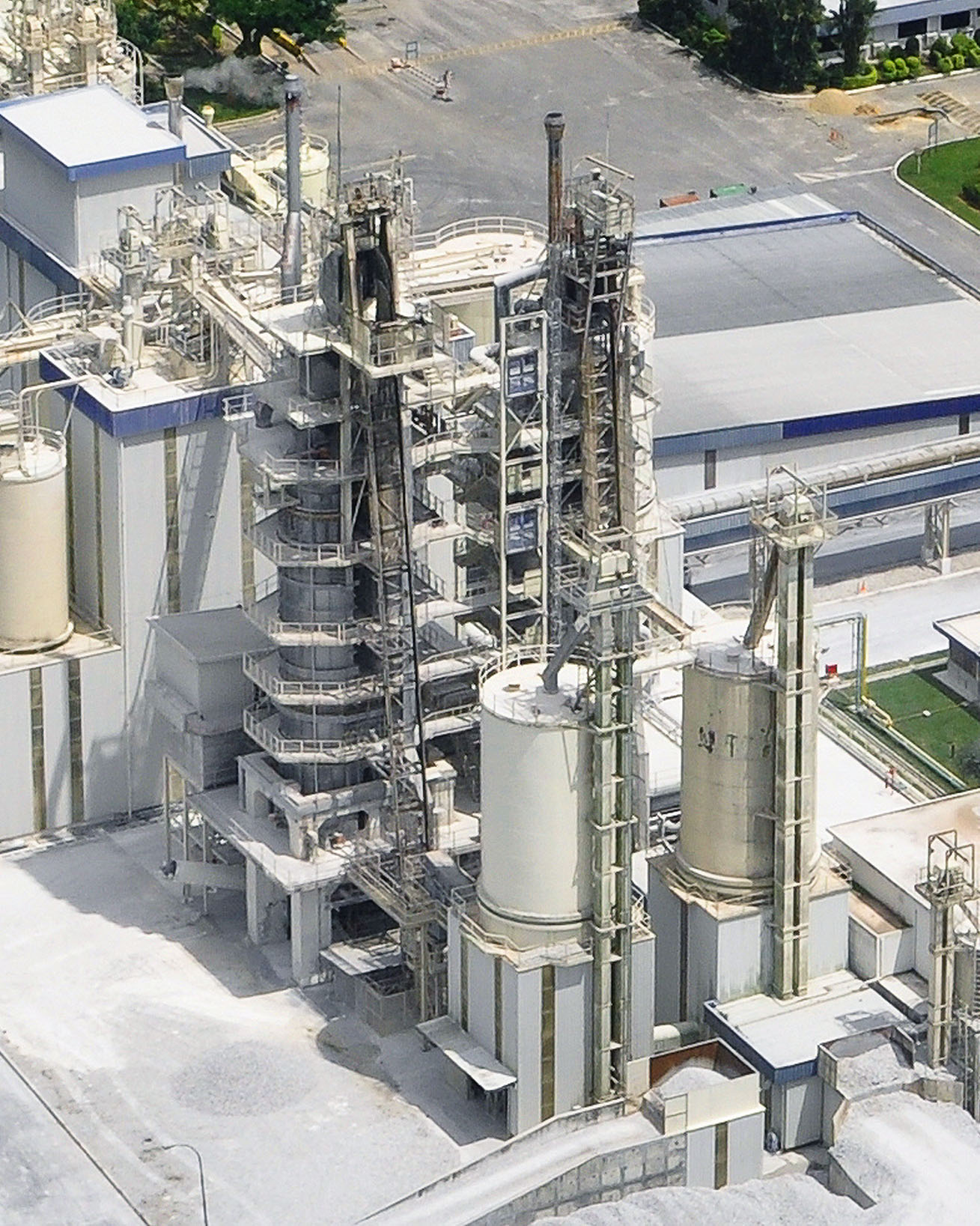
In conventional combustion processes, air, which contains approximately 21% oxygen and 78% nitrogen…
06
For our large kilns at the Hahnstätten site, which due to …
07
After CO₂ has been captured, it must either be further utilised…