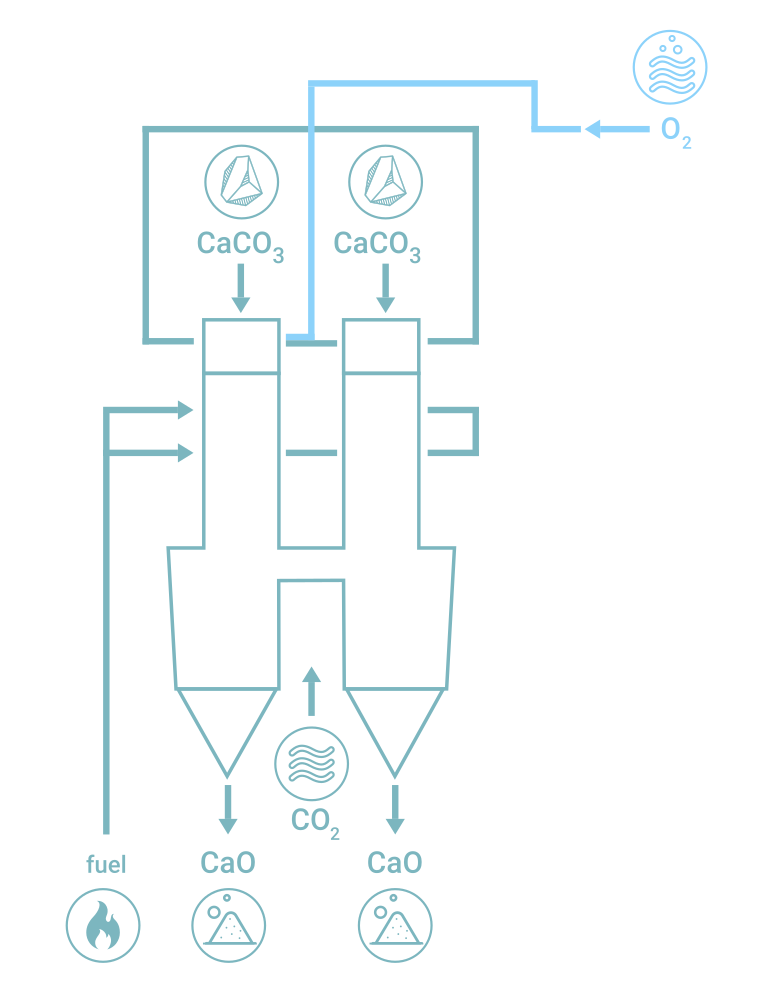
In conventional combustion processes, air containing about 21% oxygen and 78% nitrogen is used. In an oxyfuel kiln, however, pure oxygen (99% or higher) is
supplied. This eliminates the nitrogen portion that is normally present in air and does not take part in combustion. As a result, the amount of exhaust gases —
particularly nitrogen oxides (NOₓ)—is reduced.
Furthermore, since the cooling air in the kiln is not mixed with the exhaust gases, the flue gas consists mainly of CO₂ and water vapor, and the CO₂ can be easily separated by condensing the water vapor.
The process is therefore ideal for combination with CCU and CCS technologies, as the exhaust gases consist of almost pure CO₂, which can be either further processed or stored in suitable geological formations to reduce emissions.
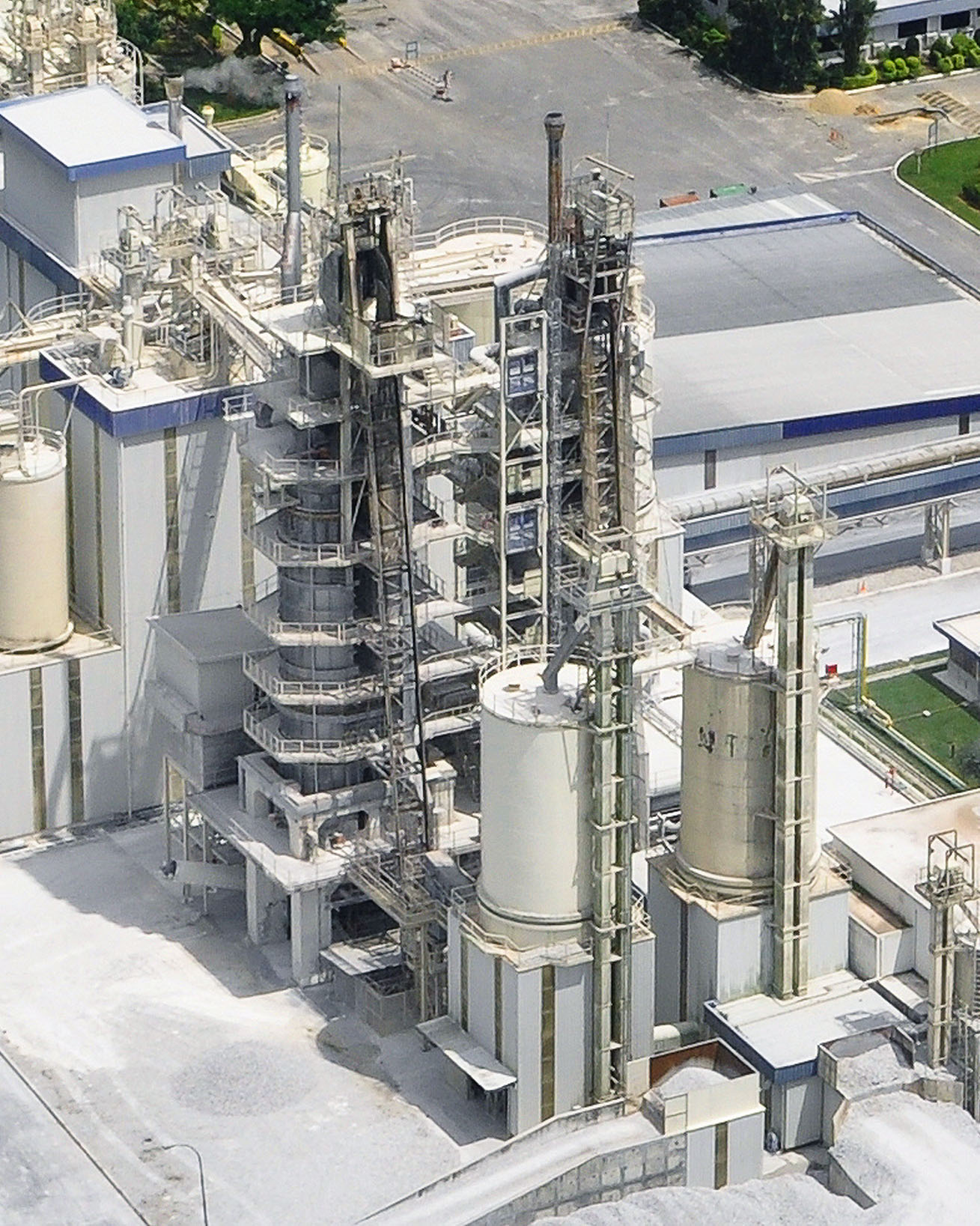
At our plant in Malaysia, we are constructing a new kiln that is “oxyfuel-ready” from the outset, ensuring it is prepared for the future. The kiln will be equipped with the necessary infrastructure so that, once suitable options for CO₂ utilisation or storage become available, it can be retrofitted and operated with pure oxygen as an oxyfuel kiln.
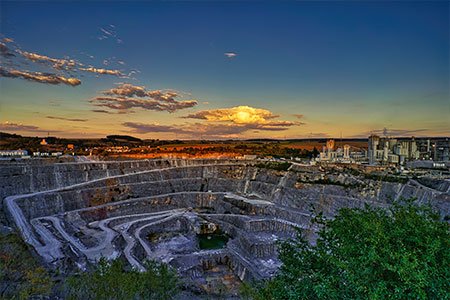
At Hahnstätten plant, we are planning to replace our oldest kiln, which has been in operation since 1967, in the coming years. The goal is to install an oxyfuel kiln. Once the resulting fuel- and process-related CO₂ can be utilised or permanently stored, this will allow for annual savings of 37.000 tonnes of CO₂ emissions.
In addition, we consider it sensible to replace another smaller kiln at the Hahnstätten plant with an oxyfuel kiln in the future, to further reduce CO₂
emissions by additional 37.000 tonnes per year.